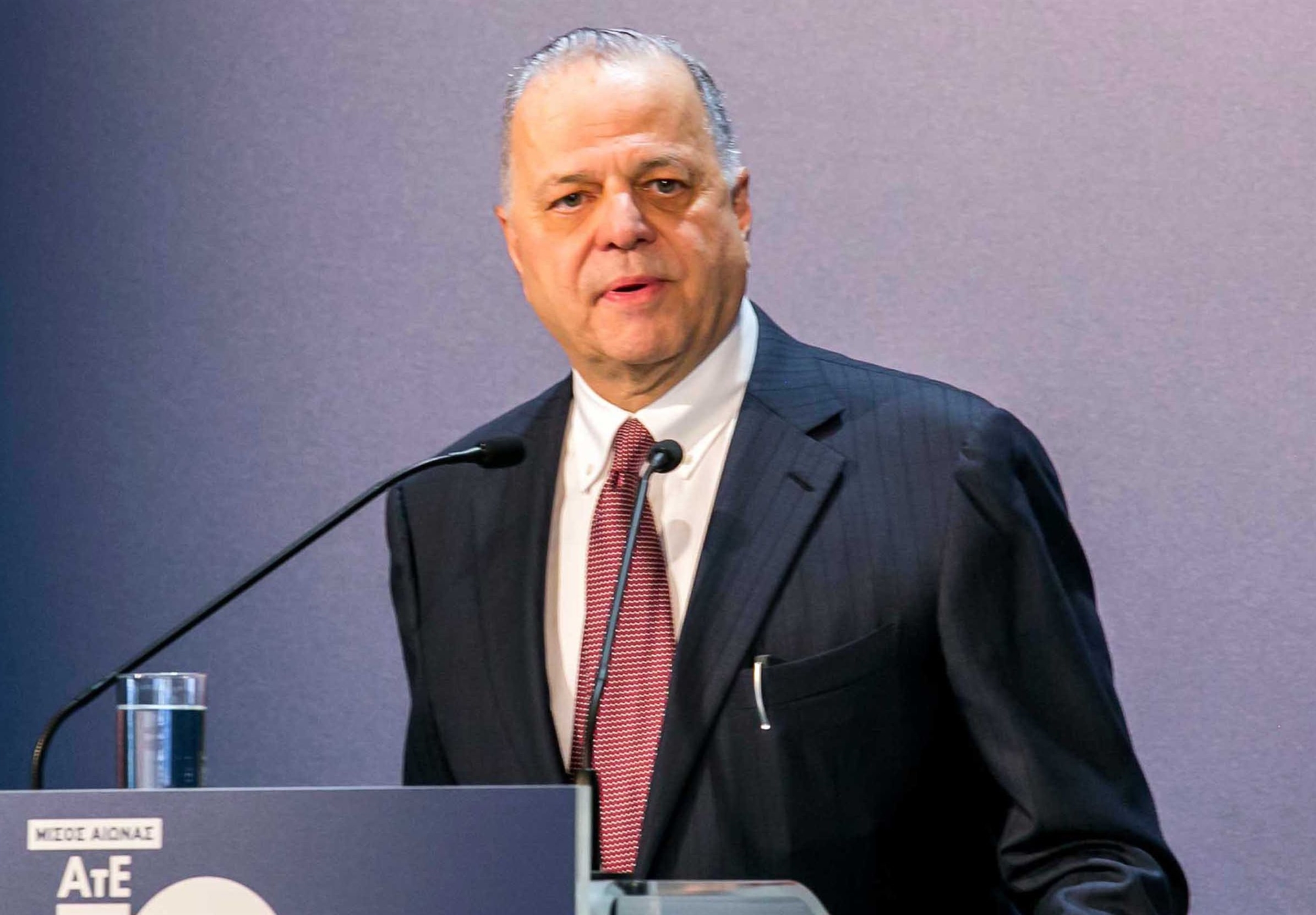
Tolga Demirözü, President of the International Investors Association (YASED) based in Istanbul, stated this in an interview with the Anadolu news agency.
According to the figures he presented, Turkey attracted $11.6 billion in foreign direct investment (FDI) in 2025, reflecting a 35% year-on-year increase. Despite this growth, the level remains below the country’s potential, which is estimated at 1.5% of global FDI flows.
Demirözü highlighted that the tighter monetary policy, fiscal discipline, and enhanced communication strategy implemented since March 2024 have improved Turkey’s risk perception. These measures, he noted, have bolstered investor confidence in the targets of the country’s Medium-Term Program.
“Progress in the green transition and digitalization has positively influenced investor expectations and encouraged FDI,” he said, while noting that, despite the improvement in investment sentiment, cautious optimism still prevails. He emphasized that stability in the disinflation process and the continuation of structural reforms remain critical.
He also stressed that sustaining investor confidence requires clear and consistent policy measures across all sectors, achieved through close collaboration between the public and private sectors.
Regarding relations with the European Union, Demirözü observed that reforms such as modernizing the Customs Union, accelerating free trade negotiations with EU partner countries, and aligning with the EU Customs Code could enhance the competitiveness of the Turkish economy. However, he warned that the European “Buy European” policy creates uncertainties for certain sectors.
He expressed particular concern about the potential exclusion of Turkey from regulations related to the green transition of vehicle fleets, describing it as a “significant risk,” and noted that YASED continues to engage with relevant authorities on the matter.
Finally, Demirözü pointed out that approximately 58% of FDI in Turkey between 2003 and 2024 came from EU countries, and from January to October 2025, this share increased to 65%, underscoring the EU’s pivotal role in the country’s investment flows.