Amid a declining interest rate environment, Greek systemic banks have demonstrated remarkable resilience, reporting profits and expanding their operations beyond traditional banking activities. The next chapter for Greek banks is to support economic growth, embrace innovation, and contribute to building a globally competitive economy.
Banking plays a broader role in shaping the future of Greece’s economy and society—from financing the green and digital transition to ensuring inclusive development in an evolving world—according to banking leaders speaking at the 27th Capital Link Invest in Greece Forum, held recently in New York.
After more than a decade characterized by restructuring, deleveraging, and regulatory adjustments, the Greek banking sector has entered a period of sustainable recovery and strategic growth. Capital positions have been significantly strengthened, liquidity has improved, and non-performing loans have decreased dramatically, thanks to effective management strategies and systemic initiatives. As a result, Greek banks have regained the capacity to finance businesses, support households, and contribute actively to national development.
Digital transformation is no longer optional—it is a strategic imperative. Artificial intelligence, data analytics, and advanced digital platforms are reshaping customer expectations, operational models, and risk management frameworks. Top banking executives highlighted the role of banks in shaping Greece’s economic and social future, as well as the factors driving their future growth.
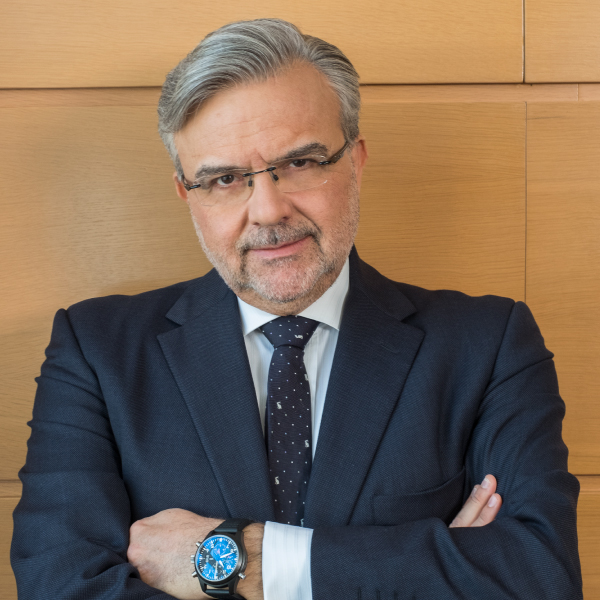
George Zanias – President, Hellenic Bank Association
Mr. George Zanias, former Minister of Finance, President of the Hellenic Bank Association, and Chairman of Eurobank, noted: “Statistics published by the SSM show that the CET1 capital adequacy ratio of Greek banks is on par with Eurozone averages, while total capital adequacy slightly exceeds that of their Eurozone peers. Greek banks now enjoy superior liquidity compared to the Eurozone, and non-performing loans are close to the European average—the lowest since Greece joined the Euro. Improved governance frameworks and a significantly lower cost-to-income ratio (0.35 versus 0.60 in the Eurozone) further demonstrate the sector’s strength.”
He added: “Recent Europe-wide stress tests confirm the strong performance of Greek banks. These factors have contributed to achieving higher return on equity than the Eurozone average. Over the past two years, dividend distributions have resumed. With these strengths, the Greek banking sector has restored its role in financing the Greek economy, with credit growth to businesses achieving double-digit increases.”
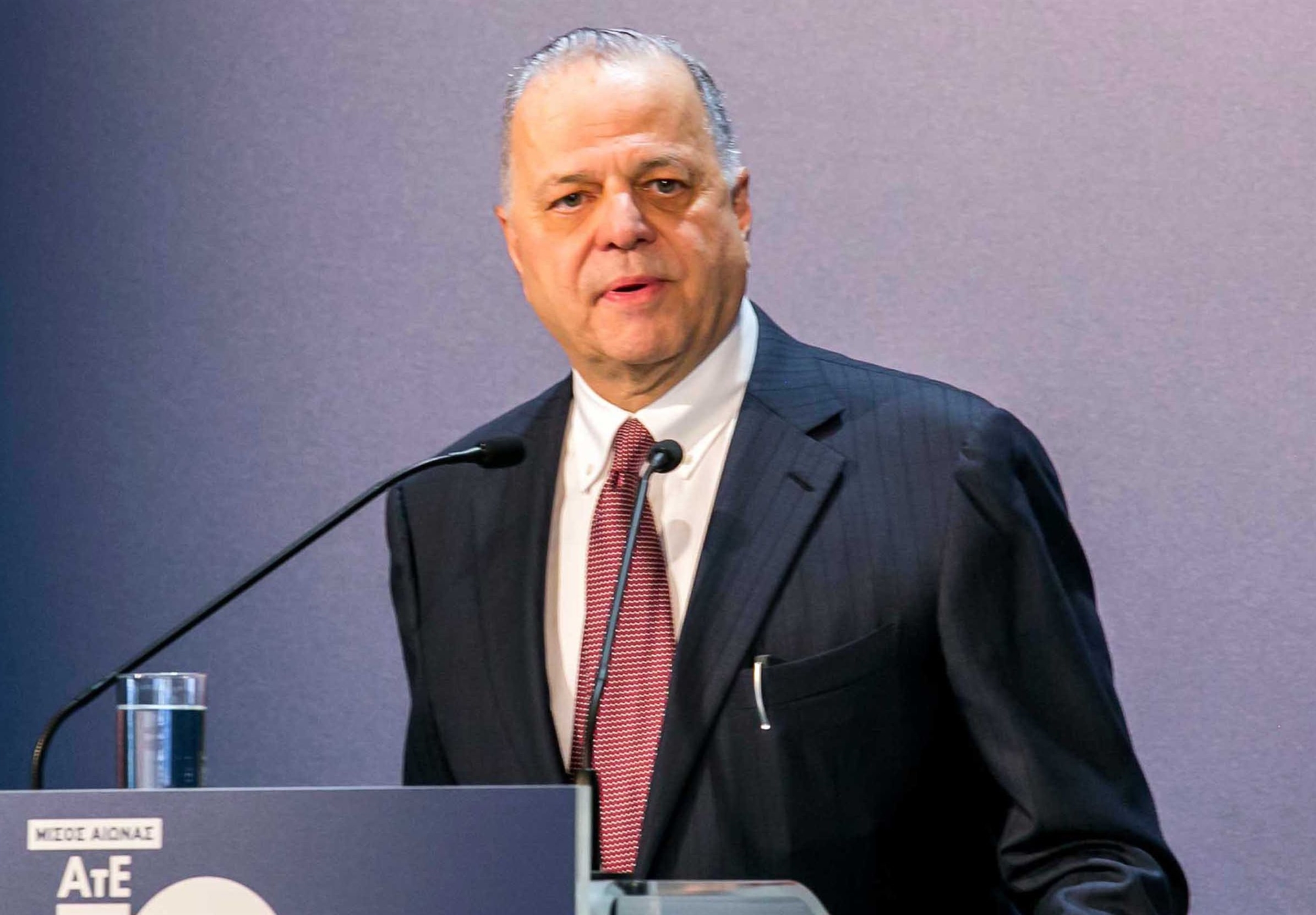
Lazaros Papagaryfallou – Deputy CEO, Alpha Bank
Mr. Lazaros Papagaryfallou, Deputy CEO of Alpha Bank Group, emphasized the bank’s strategy of partnerships and targeted acquisitions. Collaborating with UniCredit, Alpha Bank has built a comprehensive ecosystem to meet evolving client needs across retail, corporate, and investment banking. “Our collaboration with UniCredit provides Greek businesses seamless access to 13 additional markets through a single banking relationship, strategically positioning Greece as a bridge between Southeastern and Central Europe,” he said.
He further highlighted that the acquisition of AstroBank positions Alpha Bank as the third systemic bank in Cyprus. The FlexFin-ABC Factors merger creates Greece’s leading factoring platform, while the acquisition of AXIA Ventures establishes the country’s first fully integrated investment bank.
Konstantinos Vassiliou – Deputy CEO, Eurobank
Mr. Konstantinos Vassiliou, Deputy CEO and Head of Corporate & Investment Banking at Eurobank, noted that the bank is ready to expand into new markets through both organic and targeted inorganic growth. The acquisition of Hellenic Bank created the largest banking group in Cyprus, with total assets exceeding €100 billion. “Our strategic goal is to further enhance profitability from diversified sources, expanding into dynamic markets in Europe, India, and the MENA region, with a particular focus on the Arab Gulf states,” he added.
Christos Christodoulou – CFO, National Bank of Greece
Mr. Christos Christodoulou, CFO and Executive Committee Member at the National Bank of Greece, stated: “We will continue investing in technology and human capital as key drivers of long-term growth and value creation. We remain committed to leveraging excess capital, balancing increased shareholder distributions with growth opportunities, and positioning the Bank on a path of sustainable development, innovation, and long-term value creation.”
He added: “Strong profitability has further strengthened capital reserves. We have provisioned for a 60% distribution of net profits for the nine months of 2025 and declared an interim dividend of €200 million, among the highest in the Greek market.”
Valery Skoumba – CFO, CrediaBank
Ms. Valery Skoumba, CFO of CrediaBank, highlighted the bank’s investment in adaptability and evolution—key factors in a constantly changing environment. She emphasized that digital transformation is no longer optional but a strategic imperative, noting that CrediaBank’s technology investments are targeted, sustainable, and human-centric.
Regarding the broader banking sector, she said: “Capital positions have been significantly strengthened, liquidity has improved, and non-performing loans have drastically declined. As a result, Greek banks have regained their ability to finance entrepreneurship, support households, and actively contribute to national development. This transformation is not only quantitative but deeply qualitative. The future of banking will be shaped by the ability to combine financial discipline with innovation, while committing to broader economic and social objectives. Financial institutions must align profitability goals with ESG obligations, ensuring that every financial decision generates long-term value.”