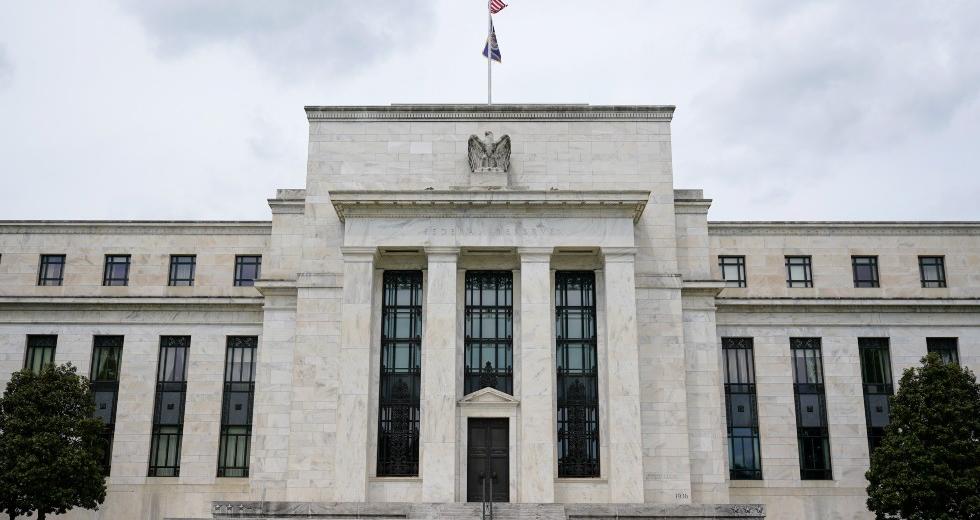
The project primarily concerns the historic Marriner S. Eccles Building and the adjacent complex on Constitution Avenue. Constructed in the 1930s and the 20th century respectively, these buildings require extensive upgrades, including structural reinforcement, removal of hazardous materials (asbestos and lead), modernization of electrical and HVAC systems, and improvements to accessibility in line with current standards.
Originally budgeted at $1.88 billion, the project’s estimated cost has risen to $2.46–2.5 billion, reflecting higher construction expenses, historic preservation requirements, and unforeseen environmental interventions.
While the Federal Reserve has emphasized that the renovations are essential for safety and operational efficiency, critics associated with the Trump administration have cited the cost escalation as evidence of mismanagement, leveraging it to justify a criminal investigation into Chairman Powell. This includes subpoenas connected to his Congressional testimony, raising concerns about potential political interference and the independence of U.S. monetary policy.
Immediate Market Reaction
Authorities note that the renovation issue has been invoked as a rationale to pressure the Fed into lowering interest rates. Trump has repeatedly criticized Powell for maintaining higher rates than the White House prefers, accusing the central bank of delaying cuts and thereby hindering economic growth and increasing borrowing costs.
On the same day, U.S. equity futures declined, with S&P 500 futures falling approximately 0.5% and Nasdaq futures down roughly 0.7%, reflecting investor concern over potential political influence on monetary policy and the possible undermining of the Fed’s independence. Dow Jones futures also weakened in early trading.
The U.S. dollar broadly softened, particularly against major currencies such as the Swiss franc and the euro, as investors reassessed currency risks amid uncertainty over future interest rate decisions. Long-term U.S. Treasury yields rose, reflecting increased demand for government bonds and a recalibration of risk premiums.
Meanwhile, gold and silver prices reached record levels as investors sought safe-haven assets amid mounting uncertainty regarding the Fed’s independence and the future trajectory of monetary policy.
Reassessment of Political Risk at the Fed
The escalation triggered immediate reactions in financial markets, with the threat of criminal prosecution contributing to broader risk aversion. Concerns over potential political interference in U.S. monetary policy have heightened volatility across foreign exchange, equity, and bond markets as investors reassess the risks of political pressure on the central bank.
This was followed by an official response from Chairman Jerome Powell in the wake of the investigation.