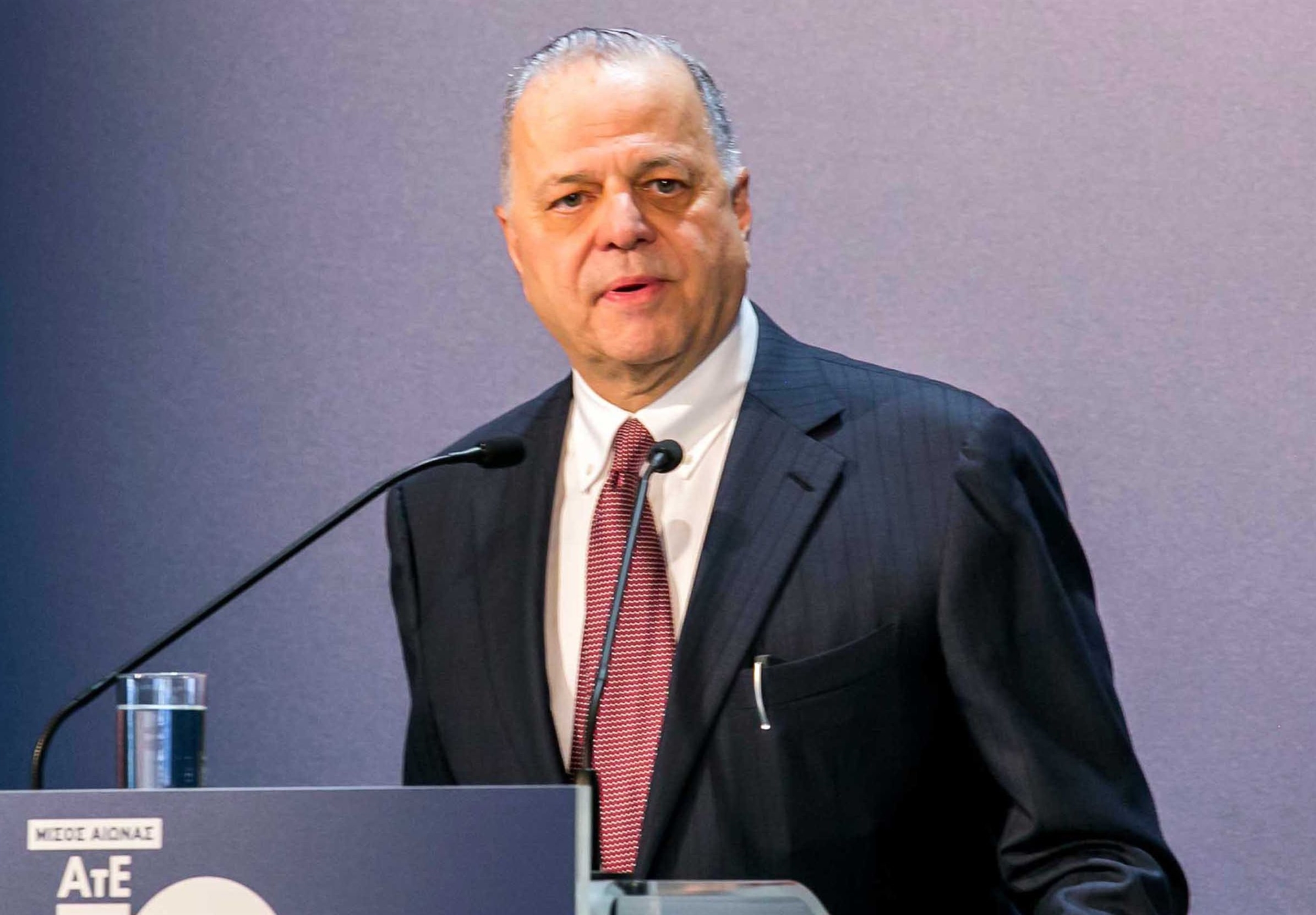
Mr. Chatzis referred to recent government initiatives aimed at the strategic planning of Greek tourism, including the new policy framework, the forthcoming White Paper, the special spatial planning framework, and Destination Management Organizations. He emphasized, however, that for these tools to be effective, they must be developed in close collaboration with industry professionals. “Solutions must start from the ground up and reach the top,” he noted.
Epirus as a Benchmark for National Strategy
The President of HHF (Hellenic Hoteliers Federation) pointed out that Epirus serves as a characteristic example of a region where the effectiveness of year-round tourism planning can be assessed. According to him, the region encompasses the elements that practically demonstrate the limits and opportunities of tourism development.
Mr. Chatzis placed particular emphasis on the structure of the Greek tourism economy, which relies primarily on small and very small enterprises. He stated that the sustainability of this model is a key factor in competitiveness and must remain at the center of any strategic policy.
Three Key Axes for Tourism Planning
Access to Financing: A large portion of small businesses struggles to secure bank loans. Without financing tools tailored to their needs, requirements for continuous investments in quality, digital modernization, and green policies cannot be realized.
Infrastructure and Social Cohesion: In regional destinations, tourism development depends on a broader network of infrastructure—transportation, healthcare, education, worker housing, and digital services. Without these, no area can sustain viable tourism activity.
Institutional Equality: Mr. Chatzis argued that all forms of tourist accommodation must operate under equivalent rules regarding taxation, licensing, safety, and labor obligations. Deregulation or “temporary” exemptions, he stressed, undermine healthy competition and the credibility of the state.