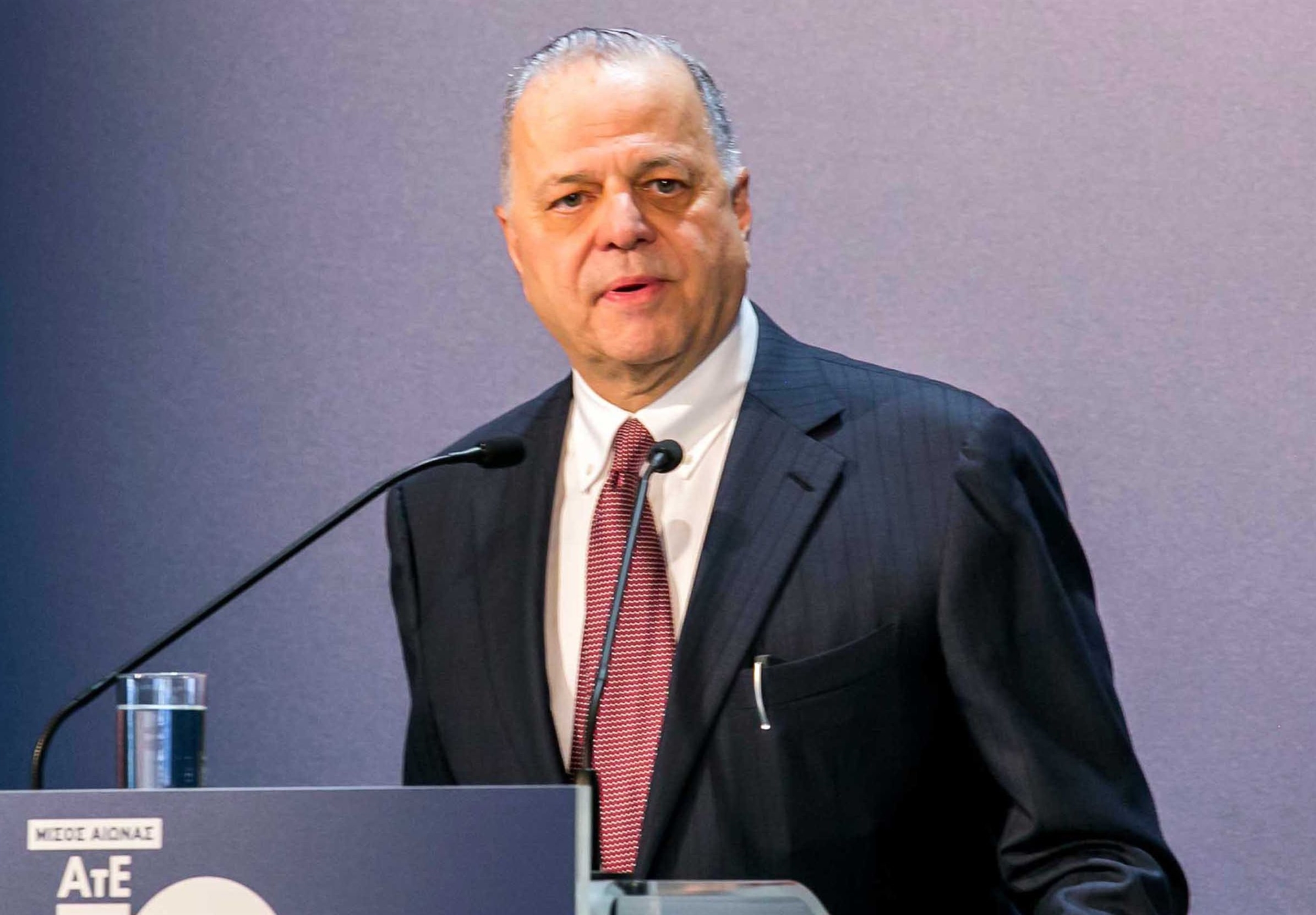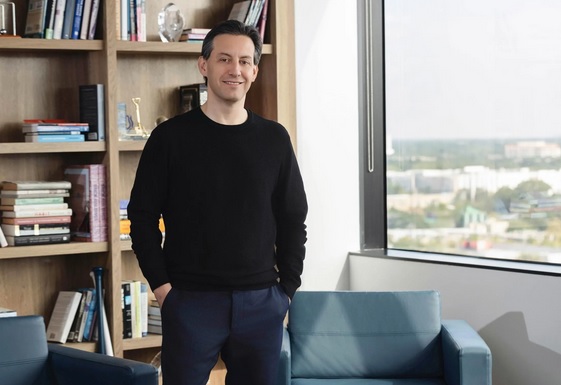
His success, he explains, stems from his ability to anticipate crises, identify sources of capital, and apply his education in evolutionary biology. During the 2008 financial crisis, while many investors faced losses and teetered on the brink of collapse, De Leon leveraged his experience in land development to reposition himself as a “deus ex machina” for banks and insurance companies, assisting in the restructuring of distressed projects.
The same strategic mindset guided his decisions during the pandemic. In 2021, he sold high-value properties in a market marked by low interest rates and excessive optimism, while already observing “market participants who shouldn’t be there,” noting significant pricing distortions.
Concerns About Data Centers
Today, De Leon sees comparable risks in the data center sector. Despite interest from major investors such as Blackstone, KKR, and Bain Capital, he remains cautious. “I look at a $10 billion data center and ask myself: why don’t the world’s largest technology companies want to own it?” he told CNBC. According to him, the technology within data centers—particularly AI—will rapidly become obsolete, while the long-term 15–20 year leases promoted by developers contain numerous gaps and hidden risks. His primary concern is that large private investors are using capital from pension funds for teachers, police officers, and firefighters, thereby exposing these funds to substantial risk.
De Leon also sees immense opportunities as more capital flows into the commercial real estate market—from family offices, sovereign wealth funds, and pension funds. “When real estate investments double, roughly $4 trillion more capital will compete for a limited number of properties, driving up the value of reliable assets,” he notes. For De Leon, the coming decade will be defined by exponential growth in real estate capital markets, with success hinging on strategic investment in projects that are genuinely sustainable and profitable.