According to the survey, the investment climate remains positive, particularly for digital infrastructure, selected office categories, and alternative asset classes, with the United States continuing to be the top investment market. In this context, strategic partnerships, flexible capital allocation, risk management, and the adoption of Artificial Intelligence (AI) are expected to be critical strategic priorities over the next 12–18 months.
The survey, conducted between June and July 2025, involved over 850 senior executives from investment and real estate management firms across 13 countries in North America, Europe, and the Asia-Pacific region.
Key Findings
Macroeconomic Uncertainty and a Changing Regulatory Environment
Global macroeconomic instability continues to slow the full recovery of the commercial real estate market, affecting both the timing and extent of growth over the next 12–18 months. Uncertainty in trade and regulatory frameworks complicates decision-making, prompting some industry leaders to reassess their strategies. Nonetheless, growth opportunities remain, particularly for those who understand the sector’s nuances and maintain flexibility with a forward-looking approach.
Revenue Improvement Expected by End of 2026, Alongside Rising Costs
Although optimism has slightly declined compared to last year (from 88% to 83%), the majority of respondents anticipate revenue growth by the end of 2026. Regarding expenses—including operational costs, offices, and technology—68% expect increases over the next year. Despite ongoing uncertainty, growth is expected across most property types, with 65% of respondents forecasting improvements in key metrics (rents, leasing activity, vacancy rates, and cost of capital) in 2026.
Data Centers, Logistics, and Office Spaces Top Investment Priorities
Demand for data centers continues to exceed supply. Competition for available space is intense, with many units leased before project completion. In nine major international markets, 100% of new developments are already pre-committed, indicating sustained demand.
The industrial sector appears to be at a turning point in the property cycle. Despite challenges, strong demand for industrial facilities supports long-term growth. Meanwhile, companies with specialized space needs are actively developing “built-to-suit” projects, designed and constructed to meet end-user requirements.
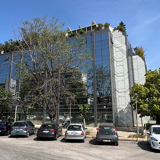
The office sector also shows signs of recovery, with demand increasing in both suburban and central urban areas for a second consecutive year.
Selective and Flexible Capital Deployment Critical to Market Recovery
Real estate leaders must closely monitor potential improvements in capital markets and be prepared to act decisively and selectively before broader market activity accelerates. By late 2025, high-quality properties with stabilized income may attract more interest than in previous years.
Alternative Asset Classes Enhance Portfolios
Beyond the four traditional categories (office, retail, industrial, residential), alternative asset classes are gaining ground, particularly in telecommunications, healthcare, and data centers. The value of alternative assets in commercial portfolios has grown by approximately 10% annually since 2000, a trend expected to accelerate over the next decade.
Pressure from Maturing Loans Amid Rising Borrowing Costs
More than half of industry firms will face challenges from maturing loans over the next year, with only a small proportion expecting to fully repay their obligations. Short-term loans issued during periods of historically low commercial mortgage rates are now maturing under significantly higher borrowing costs, increasing debt service pressures, particularly for variable-rate loans. These challenges are most pronounced in Europe, with Germany and France experiencing the highest stress levels, while countries such as Japan benefit from prolonged low interest rates, creating a varied international landscape.
Improved Terms on New Loans Create Investment Opportunities
Despite pressures from older loans, the outlook for new lending in commercial real estate is improving. With property values stabilizing and lenders requiring more structured agreements, new loans are now available on more manageable terms. Investors and lenders with available capital may find opportunities for targeted property investments.
Investor Partnerships Gain Momentum
Strategic partnerships and joint ventures are emerging as flexible solutions in a high-interest-rate environment with demanding M&A conditions. They allow companies to adopt strategies that better respond to evolving client needs regarding liquidity, returns, and risk management.
Artificial Intelligence Emerges as a Key Tool, but Success Requires Careful Implementation
AI adoption is accelerating, with industry professionals showing strong interest in a wide range of emerging technologies. However, AI utilization remains limited due to a lack of high-quality data and privacy concerns. Synthetic data—designed to replicate real-world data—is gaining traction as a solution but requires specialized expertise and strict quality assurance mechanisms.
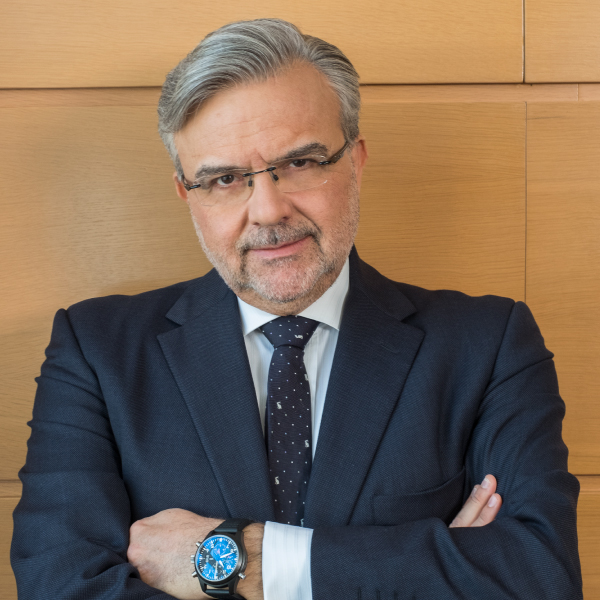
Commenting on the survey results, Christos Kosmas, Partner and Real Estate Sector Leader at Deloitte Greece, stated:
"The next chapter of the commercial real estate market will favor those who are well-prepared and deeply understand sector trends. Beyond the challenges posed by macroeconomic instability, geopolitical shifts, and high borrowing costs, this year’s analysis highlights significant opportunities: improved refinancing terms, targeted liquidity enhancement, and strong momentum in areas such as digital infrastructure, logistics, and modern office spaces. In Greece, where commercial real estate continues to attract robust investment interest, industry executives must act with realism and strategy: manage capital flexibly, focus on stable-yield investments, leverage synergies, and deploy AI where it enhances decision-making. Through its international expertise and local presence, Deloitte supports real estate organizations in capitalizing on new opportunities and creating value in a transforming and constantly evolving environment."