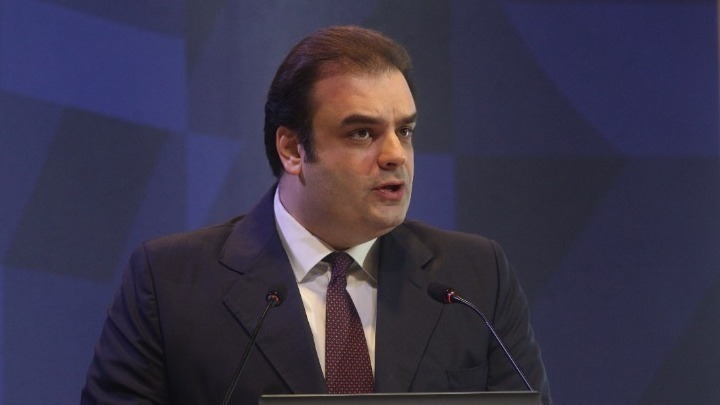
Such an election would have seemed unimaginable a decade ago, when Greece was in the midst of a severe economic crisis and on the brink of exiting the euro.
The Eurogroup, composed of the finance ministers of the 20 eurozone countries, meets regularly to coordinate economic policies within the euro area and wields significant influence over the formulation of national economic strategies. This gives particular weight to the statements of its president at the European level.
According to an official announcement, “in accordance with Protocol 14 of the EU Treaties, the new president will assume office on 12 December 2025 and will serve a term of two and a half years. The first Eurogroup meeting under the presidency of Kyriakos Pierrakakis is currently scheduled for 19 January 2026.”
Prime Minister Kyriakos Mitsotakis described the election as a “day of pride for the country” and “the clearest recognition of the positive trajectory of our nation” following the appointment of Finance Minister Kyriakos Pierrakakis as Eurogroup president.
The Prime Minister emphasized that this development comes “exactly a decade after our country stood on the edge of collapse, with banks closed and on the verge of leaving the euro,” noting: “Greece has proven that fiscal discipline is a prerequisite for restoring credibility. Moreover, it has shown that, when combined with bold reforms, fiscal responsibility can go hand in hand with dynamic growth—growth that creates jobs and ultimately returns benefits to citizens.”
Concluding, Mr. Mitsotakis stated: “The election of our Finance Minister to the Eurogroup presidency is a landmark in this path of progress. It is an event that strengthens national confidence and empowers the government to implement its program, with the first milestone in 2027 and a horizon set for 2030. Most importantly, it sends a resounding message of optimism and national revival: the best is yet to come.”
Rising Political Figure
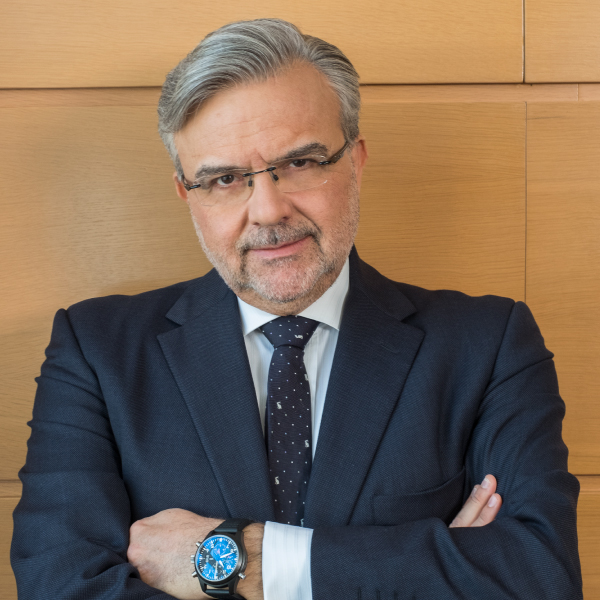
The 42-year-old Kyriakos Pierrakakis is regarded as a rising star within the New Democracy party. He assumed the Ministry of Finance portfolio in March, having previously served for approximately two years as Minister of Education.
His political ascent is closely linked to his tenure as Minister of Digital Governance (2019–2023), where he was credited with transforming the Greek public sector through extensive digital reforms, reducing bureaucracy, and digitizing hundreds of public services. During this period, Greece achieved one of the fastest digital modernization leaps in Europe, earning praise from international institutions.
This experience, combined with his technocratic profile, is seen as a decisive factor in his election to the Eurogroup presidency at a time when the eurozone seeks stability, reforms, and fiscal coordination amid significant geopolitical and economic challenges.